
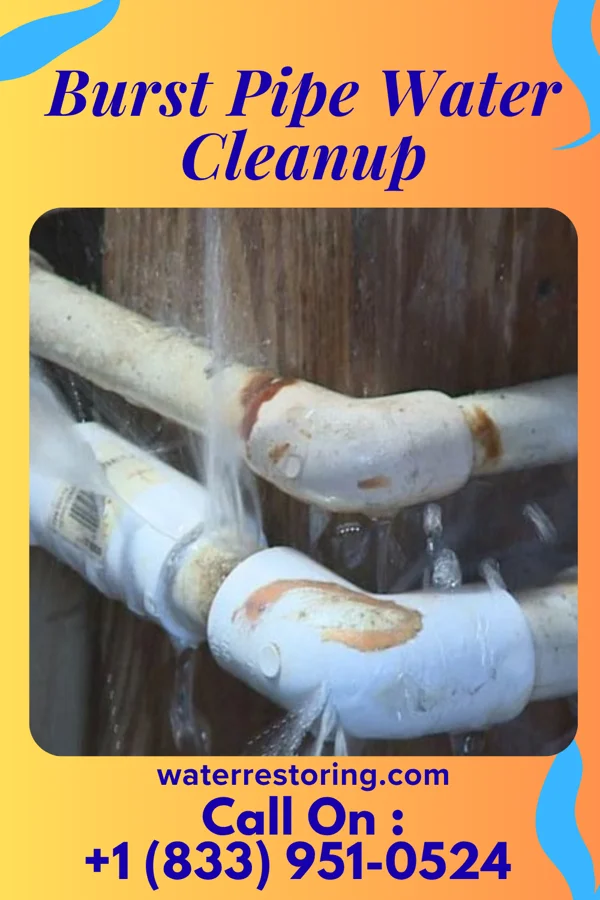
Pea Ridge Pipe Burst Risk Drivers
Water damage in Pea Ridge tends to cluster in predictable windows because of the local climate. Pea Ridge, Alabama, experiences frequent water main breaks due to aging infrastructure and rural layout, which can lead to sudden and severe flooding in residential areas. The lack of dense urban development means water can spread quickly through open fields and less developed roads, increasing the risk of prolonged water damage. A close second is In addition to aging water lines, Pea Ridge's seasonal rainfall patterns, especially during spring and early summer, can put additional pressure on underground pipes. The combination of rural terrain and limited access to professional maintenance services heightens the likelihood of undetected pipe failures..
Pea Ridge's humid subtropical climate, with frequent thunderstorms and heavy rainfall, creates an environment where water damage from burst pipes is both common and severe. The region's seasonal weather patterns play a critical role in increasing the risk of pipe failures and subsequent water damage.
Pea Ridge's humid subtropical climate, with frequent thunderstorms and heavy rainfall, creates an environment where water damage from burst pipes is both common and severe. The region's seasonal weather patterns play a critical role in increasing the risk of pipe failures and subsequent water damage. The dominant local driver is Pea Ridge, Alabama, experiences frequent water main breaks due to aging infrastructure and rural layout, which can lead to sudden and severe flooding in residential areas. The lack of dense urban development means water can spread quickly through open fields and less developed roads, increasing the risk of prolonged water damage., with In addition to aging water lines, Pea Ridge's seasonal rainfall patterns, especially during spring and early summer, can put additional pressure on underground pipes. The combination of rural terrain and limited access to professional maintenance services heightens the likelihood of undetected pipe failures. showing up as the next most common cause. Damage builds in stages. Spread. Absorption. Microbial growth. Structural compromise. Every stage you pass through adds to the final bill.